19–25 October 2026 · other logic partners
china & asia brand moves
Lacoste, Ralph Lauren and Maison Margiela
Three initiatives worth a closer look: a runway made locally useful, a festival shaped by collectors, and a store remembered by its neighbourhood.
01 / Premium sportswear · China
Lacoste
Shanghai gives the runway a second job
In Shanghai, Lacoste gave its Paris collection a local collaborator, a new setting and a way to shop straight from the show.

Lacoste brought its Fall/Winter 2026 collection to Shanghai’s Guangfulin Park on October 22, seven months after its debut at Roland-Garros. The waterside site echoed the collection’s starting point: a rain-interrupted René Lacoste tennis match in 1923. It was the first full runway collection staged outside Paris under creative director Pelagia Kolotouros.
The Shanghai show did more than repeat the Paris presentation. Global ambassador Wang Yibo co-created four looks, while selected items were offered through a see-now, buy-now programme. A livestream opened the event to audiences beyond the runway. Chinese involvement extended into the clothes themselves, rather than stopping at the guest list.
How much of Paris changes in Shanghai?
The sequence is commercially coherent: create local relevance, translate some of it into product, then offer customers a way to buy. That is more considered than a celebrity appearance alone. But four co-created looks remain a small part of a global collection.
The harder test is whether Shanghai influences what Lacoste designs next, rather than only how it presents what Paris has designed already. Sales and repeat-purchase figures have not been disclosed; nor is it clear whether all four Wang Yibo looks were immediately available. The event makes a persuasive case for local activation. The depth of local influence remains open.
Source: Lacoste · official Shanghai runway announcement → · Lacoste · corporate newsroom →
02 / Premium lifestyle · Japan
Ralph Lauren
When customers become the custodians of a brand
At Tokyo’s PoloFest, collectors and vintage dealers helped tell a story that the brand could never entirely write on its own.
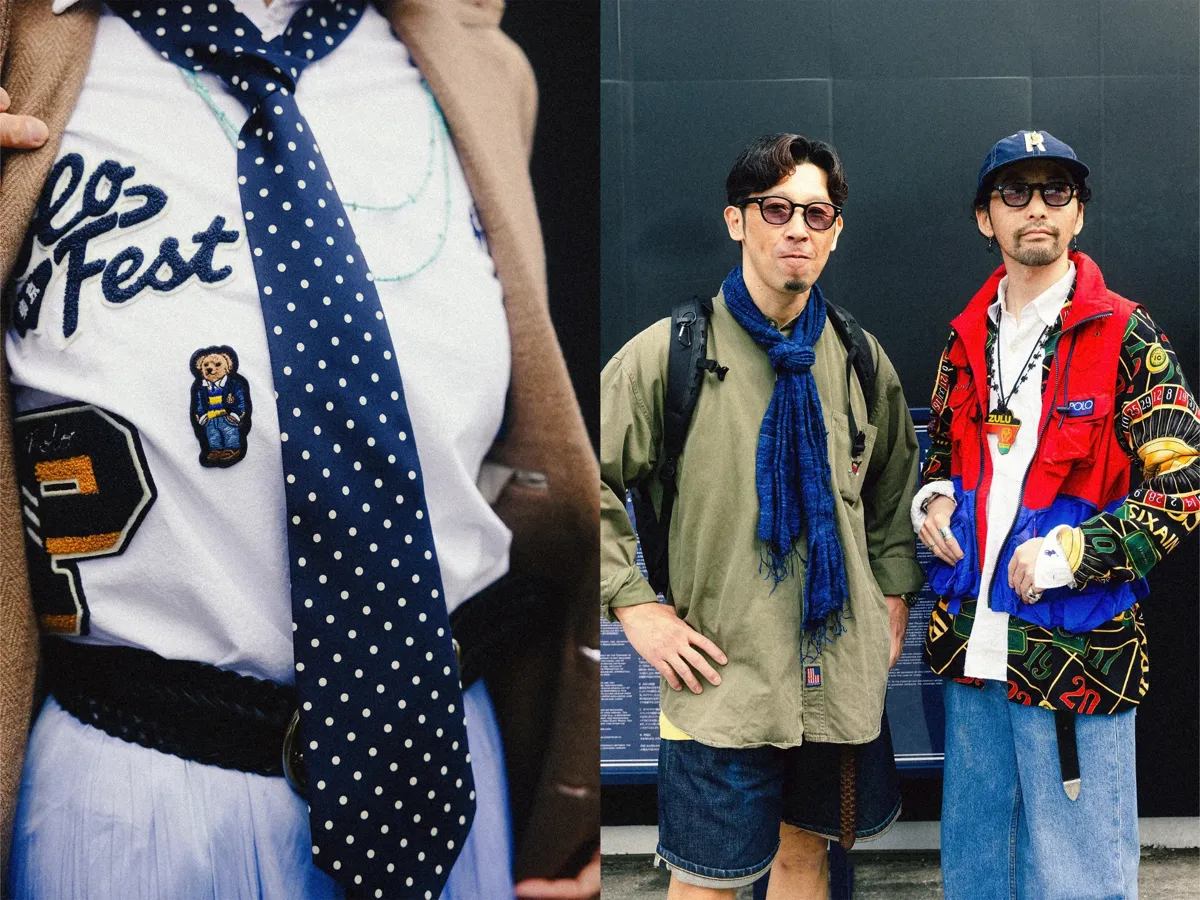
PoloFest opened in Tokyo on October 23, bringing together vintage dealers, private collectors, exhibitions and live conversations for three days in Harajuku. The first edition arrived as Ralph Lauren marked 50 years in Japan, a country with a longstanding appetite for American traditional style. Some participants have spent decades finding, wearing and preserving Polo pieces.
When the past competes with the present
The collectors supplied more than atmosphere. Their wardrobes, rare garments and stories were part of the event’s substance. Ralph Lauren is celebrating a culture it helped create but can no longer entirely direct. Some of the most sought-after Polo pieces now circulate among enthusiasts, well beyond the brand’s own stores.
That gives the festival cultural credibility, but also exposes a tension: affection for vintage Polo is not necessarily demand for today’s collection. The more interesting question is whether the brand can draw energy from its past without relying on collectors to make the present feel relevant.
Source: Ralph Lauren · official PoloFest page → · GQ · event photographs →
03 / Luxury fashion · Japan
Maison Margiela
An old Tokyo store becomes a living archive
Margiela’s new public archive turns an Ebisu boutique into a history told through staff, neighbours and the people who wore its clothes.
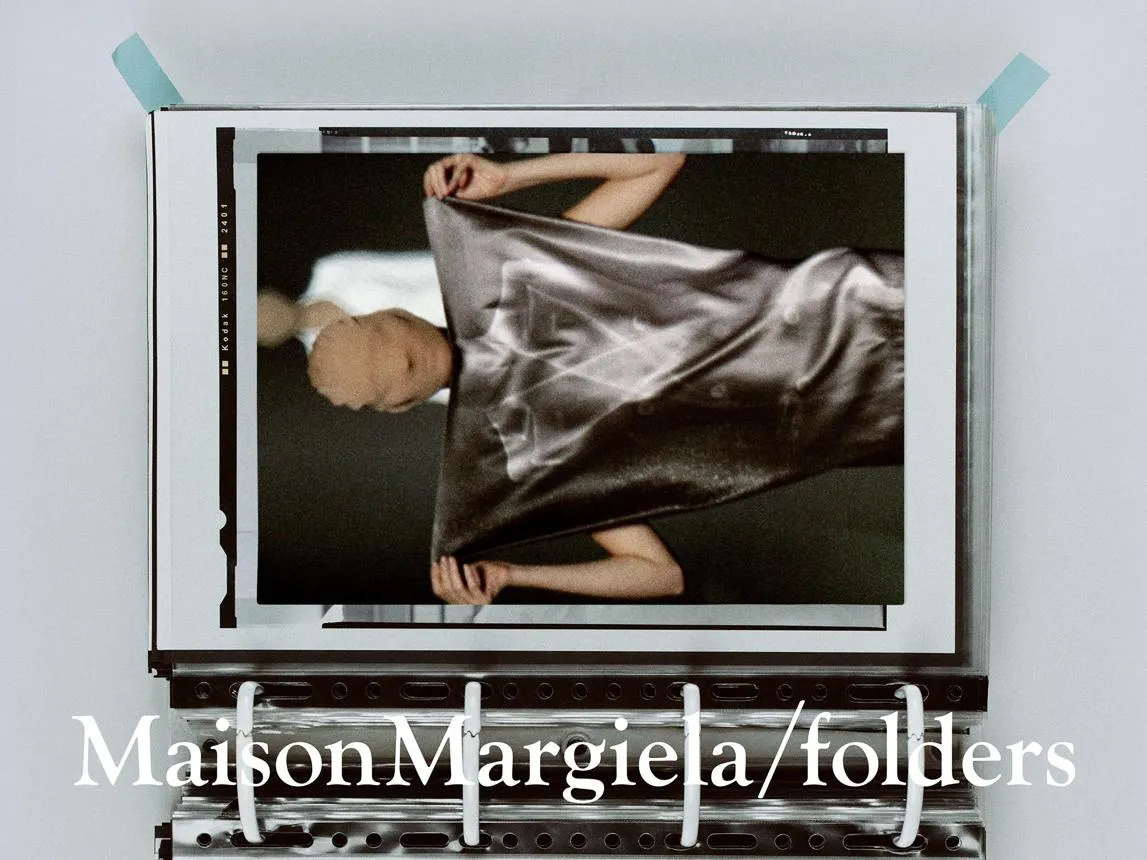
On October 20, Maison Margiela opened a new chapter of its public Folders project devoted to the house’s first boutique, which opened in Tokyo’s Ebisu district in 2000. The materials trace the shop’s history through staff recollections, local interviews and the cultural life around its Tabi shoes. The project makes an address, rather than a runway collection, the subject of the story.
When the outsider becomes an institution
What stands out is whose memories count. Employees and neighbours appear alongside the house’s own archives, giving the story a texture that a polished retrospective might miss. Yet there is a quiet paradox in making an anti-establishment fashion house the curator of its own institutional history.
The archive may preserve what made Margiela elusive. It may also make that elusiveness feel increasingly official. A limited zine and site-specific installation are planned for November, not yet open; public access to the archive does not confer image-reuse rights. How the house handles that tension beyond this project will matter more than the display itself.
Source: Maison Margiela · public Folders archive → · So-en · October 20 report →