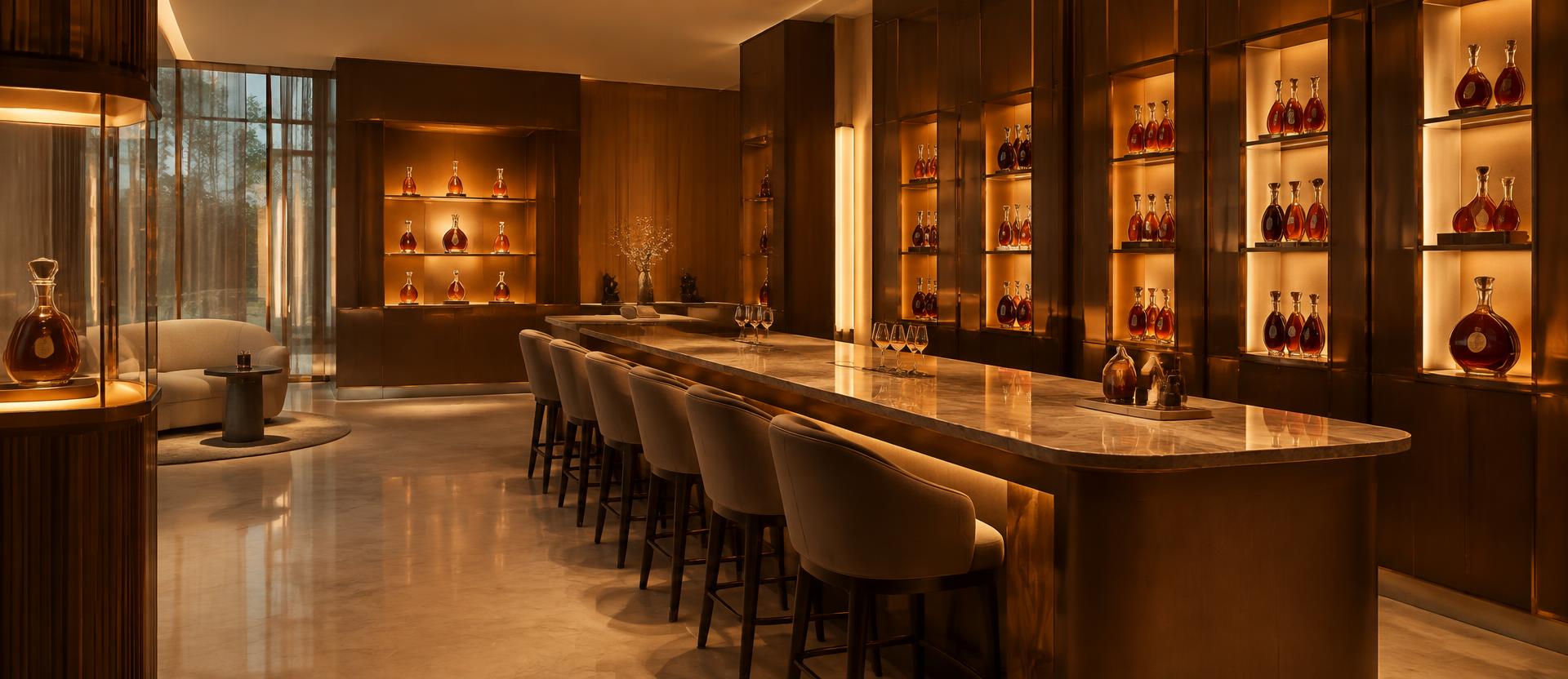
global luxury spirits house · China
designing a flagship as a business model
Defined the strategic role, location, consumer proposition, economics and operating model for a first-of-its-kind global flagship.
what role should a flagship play — and can it work as a business?
a leading global cognac brand wanted to turn a direct-to-consumer ambition into a viable flagship business.
we defined the role of physical retail, identified where the concept could win, shaped the consumer experience, and built the economics and operating model behind it.
what we designed
an end-to-end dtc flagship business model — combining luxury discovery, consumer recruitment, private clienteling, social experience, omnichannel and exclusivity.
impact
8 shanghai retail destinations assessed · 60–90k daily traffic at the selected destination · 150k mall members · modelled break-even in year 3–4
how we built the view
consumer + retail trends · mall traffic + crm analysis · landlord engagement · bottom-up sales forecasting · 5-year p&l modelling
facing a similar decision?
discuss it with a partner →related cases
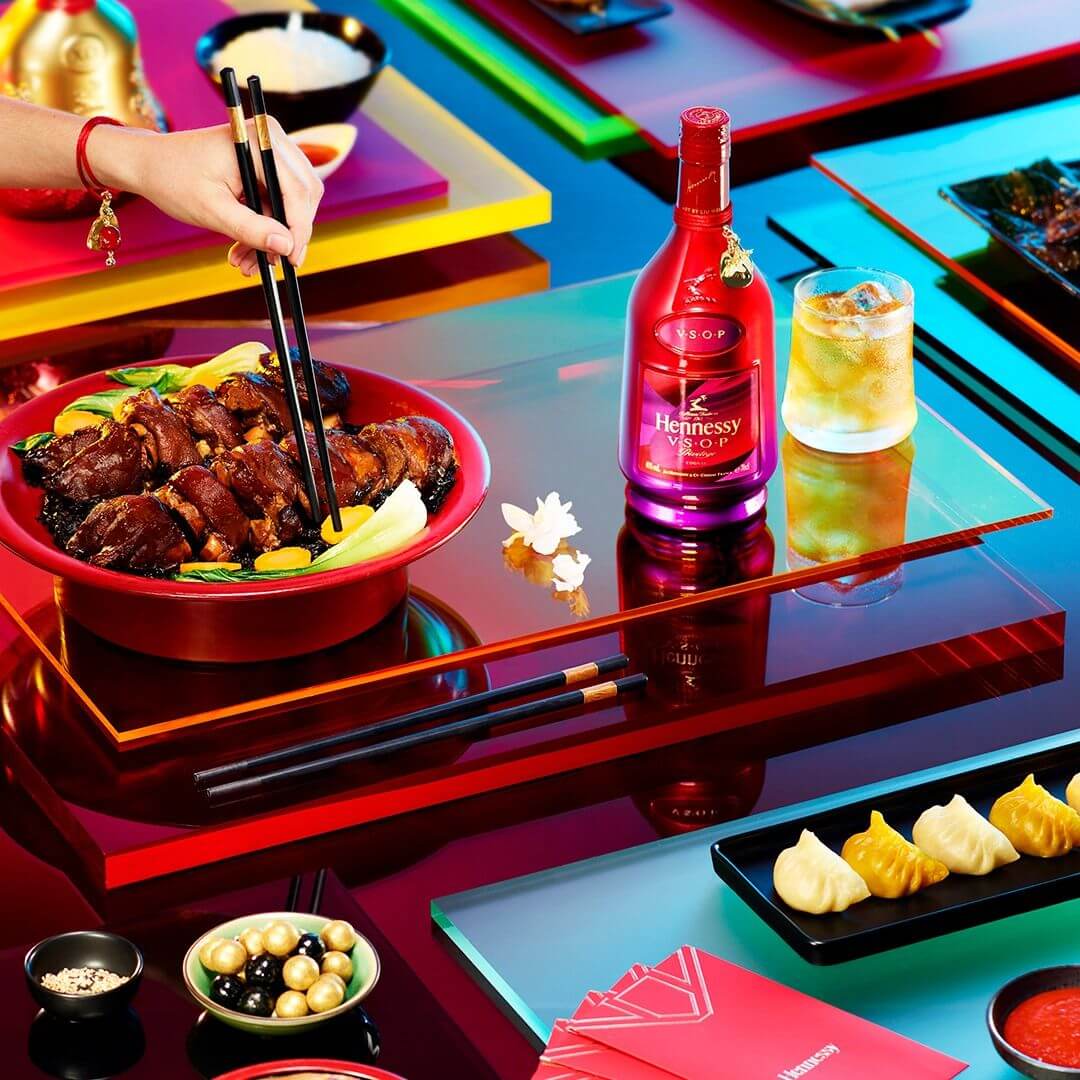
bringing a nightlife spirit to the dinner table
global wines & spirits group · China
Meals already drove most of the business, but the brand was losing the table to baijiu. We replaced scattered initiatives with one platform built around three dining moments, each with its own audience, product and way to drink.
- wines & spirits
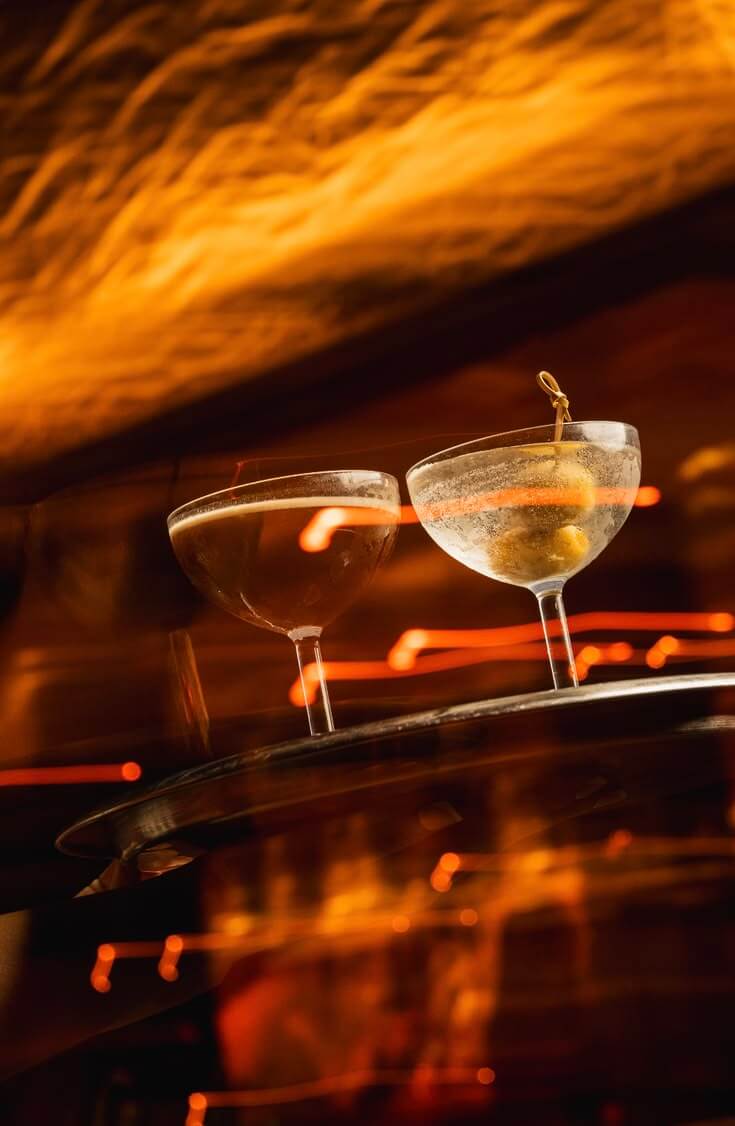
winning the night, outlet by outlet
global wines & spirits group · China
Mapped China’s prestige night into three moments, seven personas and 23 cities, gave each brand a clear role, and turned a wide but thinly converted presence into a focused plan for growth.
- wines & spirits

two brands, two opposite problems
global wine company · China
One brand was known but confusing; the other was barely known and read as dated. We gave each a distinct role and positioning, so the two grew different parts of China’s wine market instead of competing.
- wines & spirits