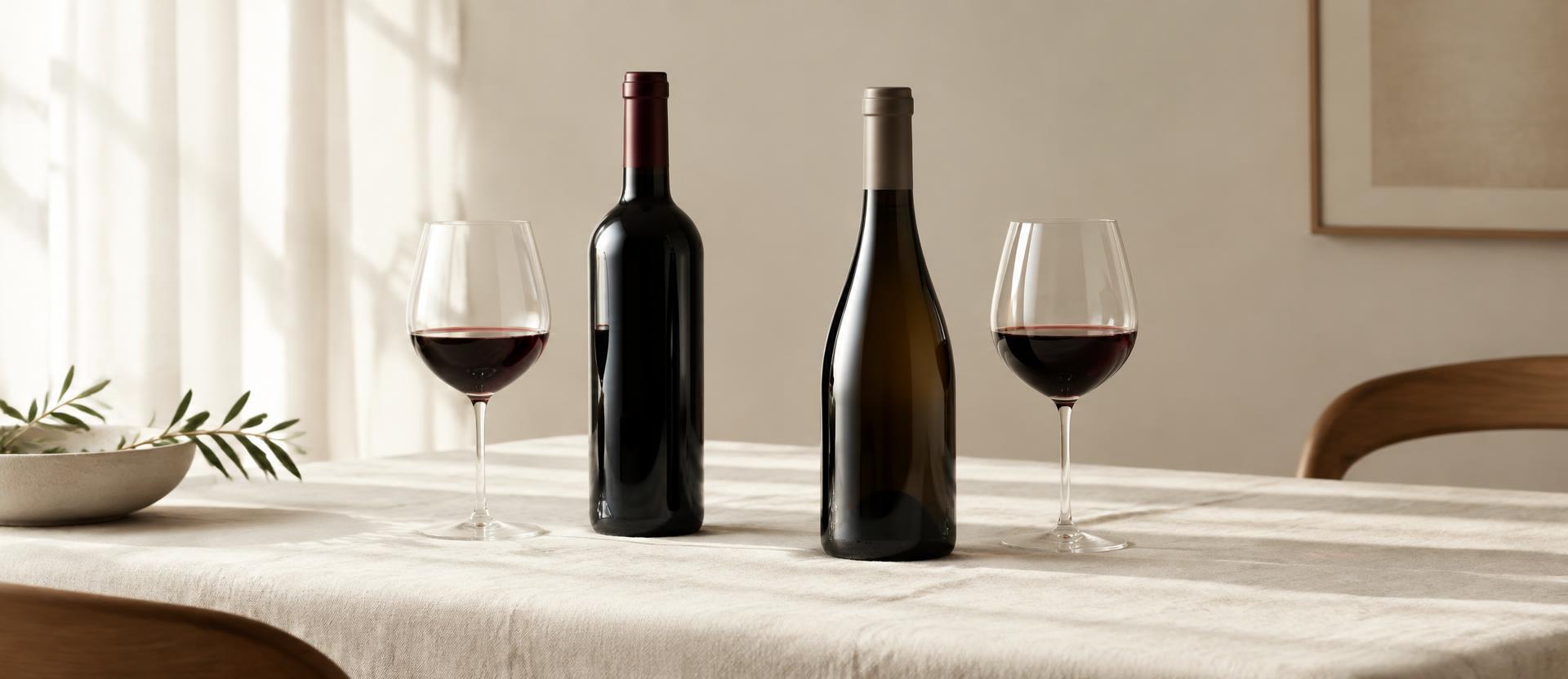
global wine company · China
two brands, two opposite problems
One brand was known but confusing; the other was barely known and read as dated. We gave each a distinct role and positioning, so the two grew different parts of China’s wine market instead of competing.
one brand was known but hard to navigate; the other was barely known and read as dated. how do you give each a distinct role, so they grow the business instead of competing for the same drinker?
the question we were asked
how should our two lead brands position themselves in china?
context
wine was spreading in china’s big cities, but people drank it rarely, and imported brands competed against a sea of labels and a few french names. the group’s two lead brands carried global campaigns that hadn’t been tested with chinese drinkers.
what we found
wine had no clear occasion. beer, whisky and baijiu each owned a moment; wine didn’t.
people remembered regions and grapes, not brand names, which were hard to pronounce and easy to forget.
younger drinkers saw new world wine as modern, relaxed and good value, a fit for their lifestyle rather than a lesser choice.
friends and social media shaped choices; magazines barely did.
the icon brand was well known and trusted, but buyers couldn’t tell its range apart or understand the price steps.
the premium brand was barely recognised, and its global success story read as old, masculine and more like a spirits ad than a wine.
what we advised against
leaving both brands to compete for the same drinker · global “path to success” messaging, already crowded with spirits brands · leading with wine expertise · recruiting non-drinkers before converting existing ones
what we designed
icon brand: the modern master of fine wine, an alternative to the french classics for affluent, established drinkers, with the logic of its range made clear and its global campaign adapted with chinese references. premium brand: a new take on success for young urban professionals, defined by the moments they live and share, not by reaching the top. the brand’s existing visual codes became the creative idea, making it easy to recognise and remember. both built around specific occasions and the content people share (food, travel, art) rather than wine expertise.
how we built the view
leadership interviews · media and kol audit · 20 in-depth consumer interviews across white-collar and high-net-worth drinkers · desk research · proposition workshops
facing a similar decision?
discuss it with a partner →related cases
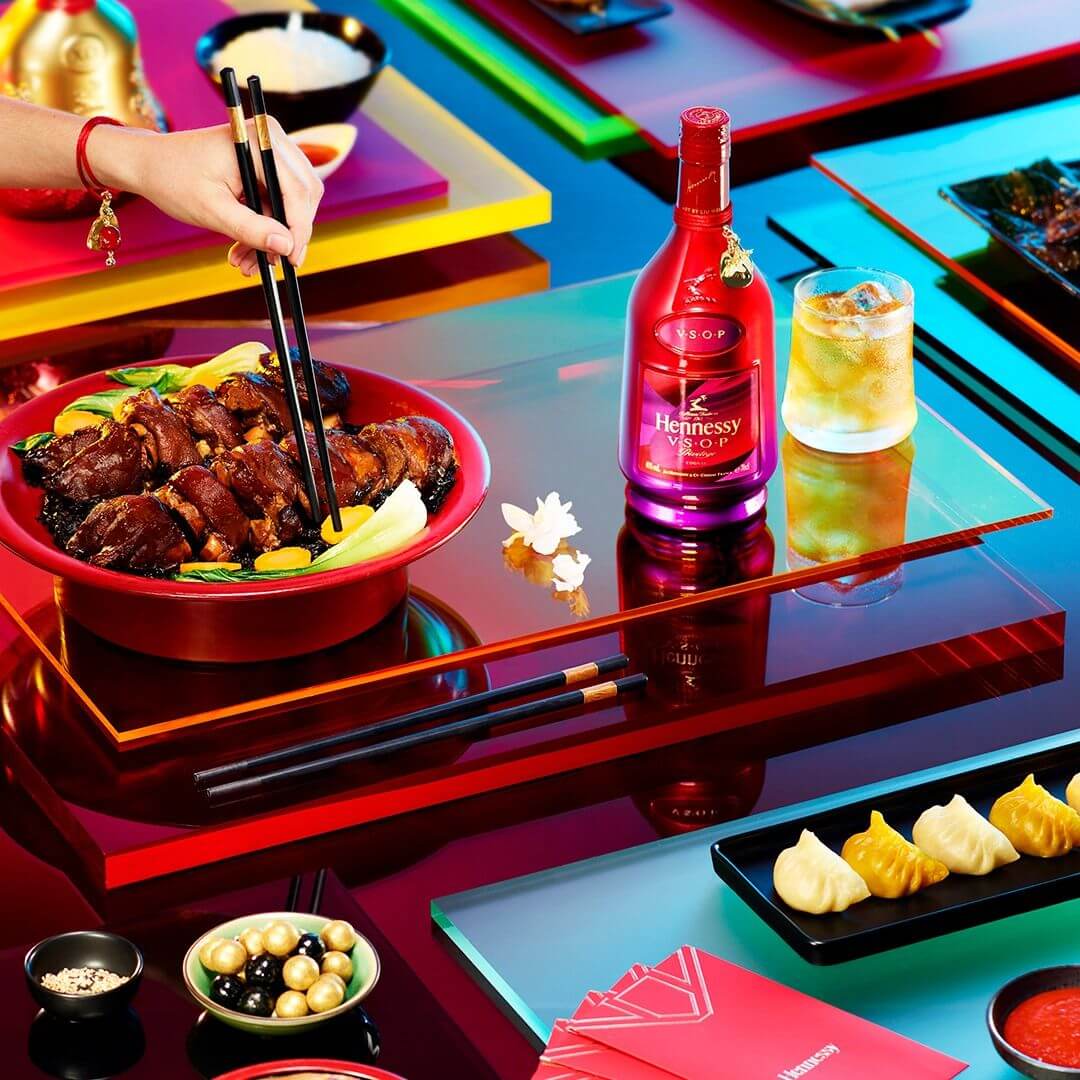
bringing a nightlife spirit to the dinner table
global wines & spirits group · China
Meals already drove most of the business, but the brand was losing the table to baijiu. We replaced scattered initiatives with one platform built around three dining moments, each with its own audience, product and way to drink.
- wines & spirits
winning the night, outlet by outlet
global wines & spirits group · China
Mapped China’s prestige night into three moments, seven personas and 23 cities, gave each brand a clear role, and turned a wide but thinly converted presence into a focused plan for growth.
- wines & spirits

one growth architecture, from region to outlet
global wines & spirits group · Asia Pacific
A connected programme from regional portfolio choices to China strategy, then down to specific platforms for meals, nightlife, cocktail bars and flagship retail.
- wines & spirits