
global wines & spirits group · Asia Pacific
one growth architecture, from region to outlet
A connected programme from regional portfolio choices to China strategy, then down to specific platforms for meals, nightlife, cocktail bars and flagship retail.
the business was already strong, but its profit relied on a few categories and markets. how do you grow across a dozen very different markets without spreading thin, and which bets deserve to go all the way to the shop floor?
the question we were asked
where should our next growth come from across asia pacific?
context
asia pacific had the fundamentals: a fast-growing affluent class, a young population, a strong luxury and travel scene. it was also one of the hardest regions to operate in, with thousands of languages, triple-digit spirits taxes in some markets, advertising bans in others, and competitors growing fast.
what we found
growth was concentrated. most markets were led by one category, and a small number of markets and brands carried most of the profit.
geography was the wrong unit. growth would come from consumers and occasions that cross borders: affluent locals, overseas chinese, affluent travellers, younger drinkers and high-net-worth collectors.
each category needed a different job: defend and deepen the leading category, modernise the flagship spirit, build emerging brands selectively, and lead the occasions where competitors were gaining.
the organisation was set up to sell in, not to create demand. sales teams were generalists, and the region and its markets duplicated roles.
what we advised against
spreading investment evenly across markets · planning by country instead of by consumer and occasion · strategy that stops at the slide deck · a regional head office that duplicates the markets
what we designed
where to play: priority markets and portfolio roles, with a specific play for each (build a new category culture in one market, relaunch the flagship with a local way of drinking in another, win the chinese diaspora across southeast asia). who to win: five consumer targets that cut across markets. how to grow: lead three cross-border occasions: high-energy nightlife, private sales and collecting, and luxury travel. each is organised around a mapped list of the top venues, hotels and destinations. what it takes: a lean regional hq, markets empowered on consumers and execution, regional centres of excellence, and sales teams rebuilt as demand creators. then, taking the biggest opportunities deeper, from regional choice to china strategy to specific platforms:
asia pacific growth strategy
where to play · who to win · how to grow · what it takes
china growth strategy
the next phase of china growth
across portfolio, consumers and occasions, channels and route to market, innovation and organisation.
meal
bringing a nightlife spirit to the dinner table
night
winning the night, outlet by outlet
cocktailing
a shanghai playbook for winning the right bars
must-win accounts, trade relationships and activation.
retail
a first-of-its-kind flagship
the role, location, experience, economics and operating model.
how we built the view
category and competitor analysis across the region · market-by-market business review · consumer target sizing · venue, hotel and destination mapping · organisational review · china and city deep dives
facing a similar decision?
discuss it with a partner →related cases
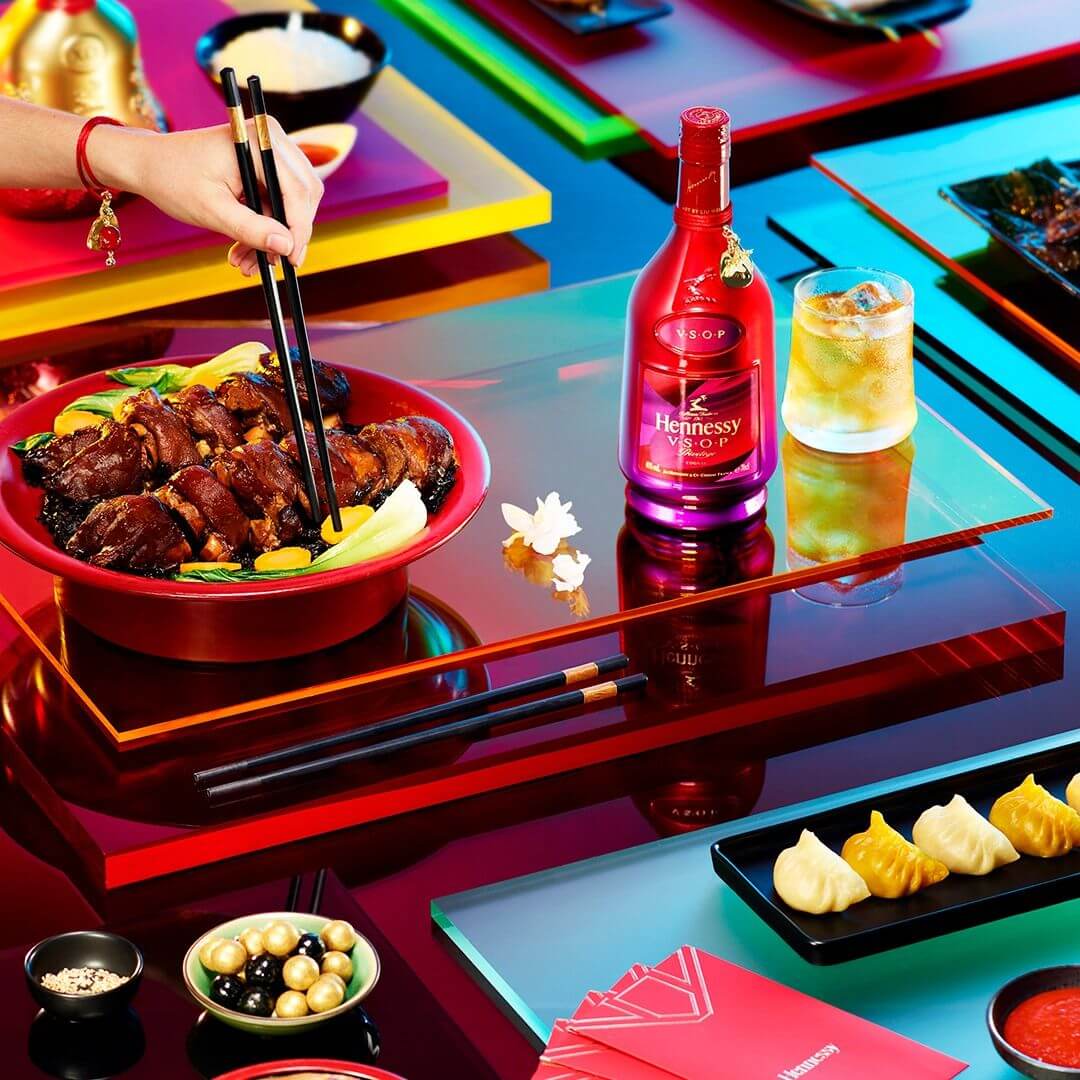
bringing a nightlife spirit to the dinner table
global wines & spirits group · China
Meals already drove most of the business, but the brand was losing the table to baijiu. We replaced scattered initiatives with one platform built around three dining moments, each with its own audience, product and way to drink.
- wines & spirits

winning the night, outlet by outlet
global wines & spirits group · China
Mapped China’s prestige night into three moments, seven personas and 23 cities, gave each brand a clear role, and turned a wide but thinly converted presence into a focused plan for growth.
- wines & spirits

two brands, two opposite problems
global wine company · China
One brand was known but confusing; the other was barely known and read as dated. We gave each a distinct role and positioning, so the two grew different parts of China’s wine market instead of competing.
- wines & spirits